Mobile Health Consult
  • Home
  • About Us
    • Our Team
    • Contact Us
    • Amb.(Dr.) Morayo Jimoh, CPsychol (WMGA)
    • Clientele
  • Clinics & Services
        • ADHD/ADD Clinic
          • ADHD/ADD CLINIC FOR CHILDREN
          • ADD/ADHD CLINIC FOR ADULTS
        • PSYCHOLOGY CLINIC
          • ASSESSMENTS
          • TREATMENT
        • CORPORATE SERVICES
        • OCCUPATIONAL THERAPY CLINIC
        • PSYCHOLOGICAL FIRST AID
        • NEUROFEEDBACK CLINIC
        • MHC SCHOOL SERVICES
        • SPEECH THERAPY CLINIC
  • Articles
  • Gallery
  • Events
  • Resources
    • Careers
    • Downloads
    • Suggested Reading
149852
11Jun, 2015

Understanding ADHD: Facts and Myths

by Mobile Health Consult


ADHD (1)

Over the years, so much has been said concerning ADHD which are merely misconceptions about the disorder. Some have thought of it as a result of bad upbringing, while others have thought about it as the individual’s fault; they believe those with ADHD behave in certain ways to purposely annoy or to avoid school work and  other given tasks. Also, some feel those with ADHD should be given harsh discipline in order to overcome such condition.

 As parents, care givers, teachers, siblings of individuals with ADHD and also those with ADHD , it is important that we have adequate knowledge about the disorder and be able to distinguish between mere myths and true facts about ADHD.

Highlighted below are some of the common misconceptions or myths on ADHD and the facts that refute them.

#1

Myth: Children with ADHD are just lazy

Fact: They are not lazy. They work as hard as other kids and may even work twice as hard but their results may be hindered by their condition.  

#2

Myth: ADHD isn’t a real disorder.

Fact: It is a brain based disorder which often results in some learning and behavioural difficulties. It is also one of the most common childhood disorders.

#3

Myth: ADHD is Gender-specific. Only boys have it.Girl with ADHD

Fact: It is not a gender-specific disorder as it affects both boys and girls.

#4

Myth: Sugar causes ADHD

Fact: Sugar increases energy levels and can induce hyperactivity in individuals with ADHD but it is not the cause of ADHD.

#5

Myth: ADHD results from bad parenting practices.

Fact: Though the symptoms of ADHD can be improved or worsened by parenting practices, ADHD is not caused by bad parenting.

#6

Myth: ADHD is prevalent among hyperactive children.

Fact: Although, hyperactivity is a common symptom experienced by individuals with ADHD, individuals that are less hyperactive can have the Inattentive subtype of ADHD.

#7

Myth: A person with ADHD isn’t vulnerable to any other conditions.

 Fact: A person with ADHD is actually predisposed to other conditions such as conduct disorder and anxiety disorders.

#8

Myth: Children with ADHD don’t become successful adults.

Fact: ADHD isn’t a hindrance to success in life. Actually, many successful and popular icons were diagnosed with ADHD such as Benjamin Franklin and Abraham Lincoln.

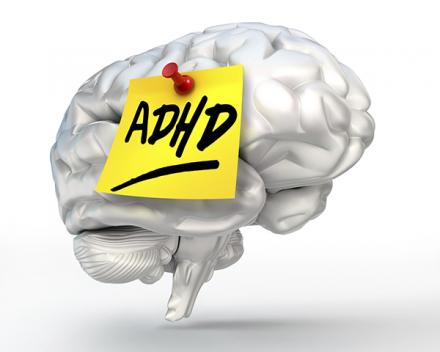
Adhd brain smWhen next someone tells you one of the above mentioned myths, you sure will have the right facts to debunk them. Kindly follow me @DrMorayoJimoh for more interesting updates on #LetstalkaboutADHD and share other myths you’ve heard as well.

3Jun, 2015

Understanding ADD/ADHD

by Mobile Health Consult

Multiethnic Arms Raised Holding ADHD

When you hear ADD or ADHD, what comes to your mind?

Well, throughout the month of June, I shall be sharing very interesting information about ADD/ADHD such as what ADD/ADHD means, myths and facts about ADD/ADHD, types, causes, signs/characteristics, diagnosis, prevalence, management, clinical interventions, parenting tips, adult ADD/ADHD and successful people with ADHD. I bet you’re wondering how someone with ADHD can become successful in life right?  Trust me, it’s going to be an interesting month.

What is ADD/ADHD???

ADD is an acronym for Attention Deficit Disorder, while ADHD represents Attention Deficit Hyperactivity Disorder. Let’s break this down a little bit:

A-      Attention refers to the ability or will to keep the mind on something in particular i.e being able to focus on ADHDsomething, usually for a period of time.

D-      Deficit means an inadequacy, insufficiency or lack of the ability to perform a given task.

H-      Hyperactivity simply means activity level which is above normal range.

D-      Disorder refers to a mental or physical interruption of normal functioning.


ADD/ADHD is a chronic neurodevelopmental disorder which results in difficulty sustaining attention, problems with executive functions (ability to plan) and inability to control certain behaviours.

ADD/ADHD affects academic performance and social relationships and it is one of the most common childhood disorders which can span through adolescence and adulthood.

Young, sad boy sitting at desk over piece of paper with pencil in hand. Looking at camera, front view

There have been quite a number of myths about ADD/ADHD, am sure you’ve heard about some also. In the next article, we shall be checking out some interesting myths and facts about ADD/ADHD.

Kindly follow me @DrMorayoJimoh and let’s talk about ADHD

20Apr, 2015

Building a Loving Relationship

by Mobile Health Consult

Sarah has always wondered what it will be like to have a close relationship with her parents.

She feels something may be wrong with her family. 

Each time she sees or hears her friends talk freely with their parents and hang out with them,

she wishes so much for such a relationship.


bad-parenting

As children grow older and become more exposed to their environments, they start to see things differently and compare what goes on in their homes to that of others.

As a parent, you are the architect of your home, think about this for a while, what kind of children do you want to raise? Could it be children that can talk freely with you, open up to you, share their fears and trust you? or those that will be too scared to come close to you and want to hide everything from you?

Well, it all starts with the strength of your relationship with your child right from childhood and onwards. A loving parent to child relationship cannot be overemphasized because many problems in our homes and society as of today emanates from dysfunctional parent to child relationship.toddler_and_parent_smiling_with_book_02

No doubt, parenting can be really tough but a sure way to make it an enjoyable one is to strengthen your bond with your child. You will be better able to handle the challenges of parenting when you have a close relationship with your child.

Here are 10 practical tips to build a strong relationship with your child;

Tip #1 Know your child: you have to be able to study your child and understand most of his/her verbal and non-verbal communication. This does not happen in a day so take your time to study your child’s physical and emotional responses.

Tip #2 Be a good model: most of the attitude your child displays were gotten from you. Don’t tell them to do things the right way when you do them the wrong way. If you want them to be truthful, you have to avoid telling lies as well.

Tip #3 Be open to them: try as much as possible to be open to them so that they’ll take after you and be open to you in turn. Tell them about your childhood struggles and be there to help them through theirs also.

Tip #4 Tell them you love them: hearing the words “I Love You” should not be alien to your children. You might say they know very well that you love them but you have to let them hear it constantly.

Tip #5 Show them you love them: you need to try as much as possible to show your children that you truly love them by your actions.

Tip #6Touch them: Hugs and kisses should not be reserved for babies alone, you need to display your affection for your children physically by touching them when you talk with them and give regular hugs and kisses as well.

Tip #7 Talk with them: Please don’t always talk at them, they need you to talk with them more. Start building this skill right from before they start talking and when they eventually start talking, engage them in conversations. This will help them build good interpersonal relationship skills.

Tip #8 Allow them trust you: endeavor to provide appropriate answers to them right from when they start asking questions, this way, they’ll trust you to give them the right information instead of seeking such from outsiders.

Tip #9 Don’t be too old school: always try to get into your child’s world once in a while. Know what is in vogue in your child’s age category, for instance you can sit with them to watch their favourite cartoon or TV show and talk about it together. You should also play with them. You may just have your best conversations while playing with them.

Tip #10 Give them the best: the best is not necessarily expensive, if you are a busy parent, your time may be worth more than the latest gadgets and toys, so try to take out time for your child on a regular basis.

By practicing these tips, you’ll succeed in raising assertive children with very healthy self-esteem. What’s more, they’ll be forever grateful!

Portrait of Happy Family In Park

Kindly follow @DrMorayoJimoh for more interesting updates on Child Development.


9Apr, 2015

Understanding Milestones and Delays

by Mobile Health Consult

Child-Development-Will-Be-Assisted

It’s amazing how a once helpless and totally dependent infant can over time become a skilled and independent individual. Every adult including you has passed through some developmental stages i.e infancy, childhood and adolescence. Through these stages, you have acquired skills and built capacity to function and respond efficiently to the demands of everyday life. However, some individuals are not capable of this due to some gaps in infancy and childhood.

child development 2

Child development is the pattern of change that occurs between birth and the end of adolescence. It is a multidimensional concept that encompasses physical, cognitive, language and socio-emotional aspects. Children develop through different stages in a relatively predictable time and pattern known as developmental milestones. Developmental processes in childhood are very critical and have a huge impact on a child’s capability later in life.  When children experience a significant lag in attaining age expected developmental milestones, it is called a developmental delay. Simply put, developmental delays occur when a child does not reach specific developmental milestones for his or her age. For example, if the normal age range for a child to begin walking is between 9-18 months and a 24 month old child is not able to walk, it can be considered as a motor developmental delay.

Two factors play major roles in child development. These are:

  • Heredity: A child can be born with a chromosomal abnormality if such is present in the genes of either or both parents. These abnormalities cause developmental delays.
  • Environment: Environmental influence occurs in cases of exposure to harmful agents during pregnancy and/or after birth thus causing delays in the child’s development.

InteractionBelow are some warning signs of a developmental delay at different stages of childhood.

INFANCY (0-12 months) : Most children start to speak their first words by 18 months of age and by age 3, most of them can make short sentences. However, if a child is unable to speak words or make short sentences by age 3, this is considered as a language developmental delay.

TODDLERHOOD (1-3 years): Children at 12 – 30 months are usually adventurous and playful as a result of their increased energy and curiosity but when children at this age exhibit the opposite, it may indicate a developmental lag.

PRESCHOOL (3-5 years): Preschoolers are usually calmer and less dependent than toddlers. They are learning to become more independent, imaginative and creative. However, if the opposite is displayed by a child within this age range, it may be a sign of developmental delay.

SCHOOL AGE (6-12 years): At this stage, a child is expected to be able to solve basic problems, distinguish between right and wrong thereby making somewhat independent decisions. However, a child that does not exhibit this competence might be experiencing a developmental delay.

It is expedient that parents monitor their child’s development and seek help when they notice some of these signs so as to enable the child undergo a thorough professional evaluation in order to ascertain the presence of a developmental delay and proffer necessary interventions.

Don’t delay when a developmental delay is noticed in your child or any child you know. Early interventions go a long way in alleviating the effects of developmental delays.

Kindly visit www.mobilehealthconsult.org for more information.

Remember to follow @DrMorayoJimoh for more informative updates on child development.

ucd 1

You can also download our e-books on Child development by clicking HERE

1Apr, 2015

School Readiness: Getting Started

by Mobile Health Consult

New Picture

At what age do you think your child should really start schooling?  Less than 2 years, 3-4 years or perhaps 5 years?

Well, some parents in our busy world today take their children as young as three months or even less to some form of schools especially crèches, while others may decide to wait until about age 2/3 years before enrolling their little ones in school.

To decide on what is best for a child at a certain age, it is advisable to understand the child’s developmental needs and see if the choice will help the child or do otherwise.

Sadly, many parents who enroll their children into schools at an early age will have limited opportunity to bond with their children. The parent to child bonding is a necessary aspect of a child’s emotional development. They are also not able to monitor the child’s progress as he/she attains age expected developmental milestones. Such children may eventually learn to sit, crawl, walk and talk in school in the absence of the parent. These schools usually have other children to be attended to as well. Therefore your child may not get adequate attention and care.

Parents are the ones that can truly give proper care and attention to their children especially at such a tender age.

You need to closely study and monitor your child;

  • Discover what he/she enjoys eating or drinking
  • Study his/her toileting pattern
  • Be familiar with his/her sleep-wake pattern
  • Monitor his/her language and motor development

If parents are fully involved in their child’s overall development, then such a child is being prepared for school.

Here are some important skills preschoolers can learn from home:

  • Basic Social Skills: build up your child’s social skills by modelling and practicing with him/her how to relate well with other kids. Watch how your child relates with his/her peers. Encourage good behaviours with praises and other forms of motivation and discourage bad behaviours as well.


  • Virtues: Home is the first place a child learns virtues. After all, “Charity begins at home”, Preschoolers can learn to be polite, to share and to forgive, by watching their parents. When parents instill virtues in their child, it would be easier for such a child to relate with other children when they start schooling.


  • Independence: A child should have some level of independence before starting school, the child should be able to engage in certain activities with little or no assistance such as eating, drinking and choose what toys to play with without depending on the parents.


  • Communication: Your child should be able to indicate through signs and short sentences what he wants, or at least one word. It makes it easier for such a child to cope in a school where there are other children to attend to.


  • Potty-training: It is advisable that a child should be potty trained before starting school. That way, the child will go through the potty training stage with the help of loving parents rather than impatient nannies.


It is important that your child is ready before starting school so as to avoid social and emotional difficulties while in school. With the above tips in place, you can be sure that they are ready to make friends and learn academic subjects with little or no difficulty.

Stay updated with tips on child development @DrMorayoJimoh.

ucd 1

Also Download our NEWLY PUBLISHED CHILD DEVELOPMENT E-BOOKS BY CLICKING HERE

23Mar, 2015

When Does Life Begin?

by Mobile Health Consult

crying babyThe anticipated joy of a couple becomes complete at the sound of the cry of their new born after about 9 months of pregnancy and several hours of labor. The birth cry has been known to signify life and is looked out for by the medical professionals at the point of delivery. However, it should interest you that life does not begin at birth but at the moment the man’s sperm fuses with the woman’s ovum (This is called fertilization in biological terms or conception). A child’s life begins at this time. According to a renowned developmental psychologist, Professor Agiobu-Kemmer, the womb is the primary environment where an unborn child develops. It cannot be seen with unaided eyes but advancement in technology has made it possible to know what happens in there.

What evidence exists regarding life at conception? What makes one know that a child starts developing from the womb? Why must environmental factors both in the womb and outside be considered for optimal development?

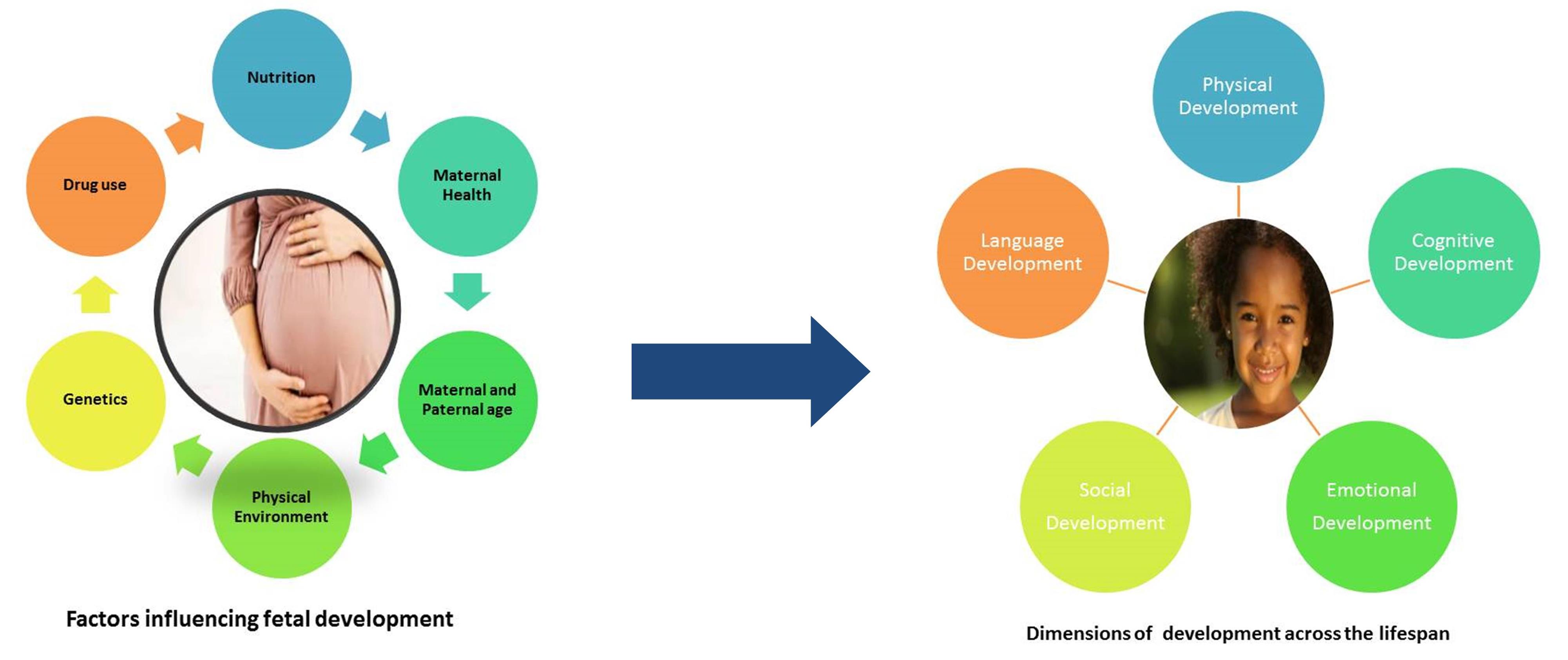
sucking babyThe developing “child” or “fetus” in the womb hears, feels, sees, and moves even before birth. At approximately two weeks after conception, a lot of development occurs in the womb of a mother. At this stage, nutrition and environmental factors as well as genetics play a role. The body organs and parts begin to develop and take shape. At 12 weeks (3months), the fetus can smile, frown, suck and swallow. This same period coincides with when the fetus can urinate, move arms, legs, fingers and toes. Sucking the thumb usually is not learnt after birth, rather at about 20 weeks after conception, fetuses have been reported to have begun this behavior. At 25 weeks, they begin to hear and at 32 weeks they begin to respond to sounds particularly their mothers’ voices. A very recent study by Lahav (2015), an assistant professor of pediatrics, indicated that neural connection grew at sound centers of the brain of premature babies in incubators who heard recordings of their mother’s voice rather than the regular noise of intensive care units. This research shows how important it is for a mother to speak to her child while in the womb.  Another recent story was published in the news by Mail Online; A newborn baby who refused to be pacified kept on crying until he heard his father’s voice and was held by him. This provides evidence that bonding begins in the womb and both parents play a role.

It is really amazing the delicacy of the life that exist in the womb. How all the organs develop is still a continuous source of inquiry for scientists and researchers. Nutrition, emotional attachment, genetics and the  physical environment during pregnancy play a role in determining a child’s life outside the womb.  Thus, it is important to note that all these factors determine a child’s physical, intellectual and socio-emotional development

“Everything a mother does and is, is shared with her unborn child”.

Development

Every child deserves the best and remember that what a mother does or does not do during pregnancy will affect the child’s development in later years.

For more interesting updates on #child development, kindly follow @DrMorayoJimoh.

  • right-arrow2
  • 1
  • …
  • 10
  • 11
  • 12
  • 13
  • 14
  • …
  • 29
  • right-arrow

Date Posts

April 2026
M T W T F S S
 12345
6789101112
13141516171819
20212223242526
27282930  
« Sep    

Tags

Anxiety and Somatic Symptom Disorders Attention-Deficit Hyperactivity Disorder (ADHD) Autism Spectrum Disorder Conduct Disorder Depressive Disorder Disruptive Mood Deregulation Disorder Executive Function Disorder (EFD) Gender Dysphoria Intellectual Disability Neurocognitive Disorder Personality Disorders Post-traumatic Stress Disorder (PTSD) Sleep-Wake Disorders Social (Pragmatic) Communication Disorder Substance-Related and Addictive Disorders

Recent Posts

YOUR MENTAL HEALTH STATUS: POSITIVE OR NEGATIVE?

YOUR MENTAL HEALTH STATUS: POSITIVE OR NEGATIVE?

October 13, 2018
PRESERVING YOUR MENTAL HEALTH DURING THE PANDEMIC PERIOD

PRESERVING YOUR MENTAL HEALTH DURING THE PANDEMIC PERIOD

August 7, 2020

Archives

  • September 2024
  • August 2024
  • July 2024
  • February 2021
  • August 2020
  • December 2018
  • November 2018
  • October 2018
  • January 2017
  • December 2016
  • November 2016
  • October 2016
  • August 2016
  • July 2016
  • June 2016
  • May 2016
  • April 2016
  • March 2016
  • February 2016
  • January 2016
  • December 2015
  • November 2015
  • October 2015
  • September 2015
  • August 2015
  • July 2015
  • June 2015
  • April 2015
  • March 2015
  • February 2015
  • January 2015
  • December 2014
  • November 2014
  • October 2014
  • September 2014
  • August 2014
  • July 2014
  • June 2014
  • May 2014
  • April 2014
  • March 2014
  • February 2014
  • January 2014
  • November 2013
  • August 2013

Newsletter

To receive email releases, simply provide us
with your email address below.

    black-envelope

    Blog Posts

    YOUR MENTAL HEALTH STATUS: POSITIVE OR NEGATIVE?
    YOUR MENTAL HEALTH STATUS: POSITIVE OR NEGATIVE?

    October 13, 2018

    PRESERVING YOUR MENTAL HEALTH DURING THE PANDEMIC PERIOD
    PRESERVING YOUR MENTAL HEALTH DURING THE PANDEMIC PERIOD

    August 7, 2020

    Our Contacts

    • placeholder-for-map-1Block 128B, Plot 8 Remi Olowude Street, 2nd Roundabout, Lekki Phase 1, Lagos, Nigeria
      placeholder-for-map-1Get directions on the mapright-arrow
    • telephone-1+234 (1) 453 4024, 0803 345 1351
      (24/7 General inquiry)
    • black-envelopeinfo@mobilehealthconsult.org
    up-arrow-1