Mobile Health Consult
  • Home
  • About Us
    • Our Team
    • Contact Us
    • Amb.(Dr.) Morayo Jimoh, CPsychol (WMGA)
    • Clientele
  • Clinics & Services
        • ADHD/ADD Clinic
          • ADHD/ADD CLINIC FOR CHILDREN
          • ADD/ADHD CLINIC FOR ADULTS
        • PSYCHOLOGY CLINIC
          • ASSESSMENTS
          • TREATMENT
        • CORPORATE SERVICES
        • OCCUPATIONAL THERAPY CLINIC
        • PSYCHOLOGICAL FIRST AID
        • NEUROFEEDBACK CLINIC
        • MHC SCHOOL SERVICES
        • SPEECH THERAPY CLINIC
  • Articles
  • Gallery
  • Events
  • Resources
    • Careers
    • Downloads
    • Suggested Reading
149852
22Apr, 2014

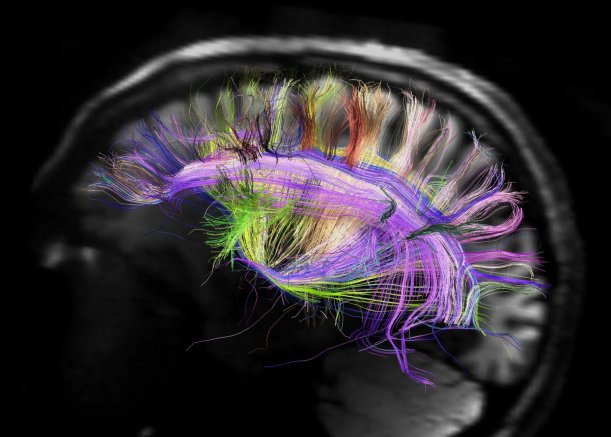
Brain Fitness: Healthy Brain! Healthy You!

by Mobile Health Consult
9Apr, 2014

Conquering Bad Habits

by Mobile Health Consult

4 Keys to Conquering Bad Babits

7Apr, 2014

Conquering Bad Habits

by Mobile Health Consult

A persons personality can be described as a collage of habits which the person expresses. We are our habits and our habits make us. The more good habits we have, the better people we tend to be. Bad habits, which are negative behaviour patterns, however, hold us back from reaching our full potentials. Bad habits, as we know, are detrimental to our well-being; they affect us physically (e.g smoking and its adverse effects on the lungs) and mentally (habitual lying, See our previous post The importance of being honest ). You can conquer your bad habits of procrastination, overspending, smoking or even nail-biting and picking your nose, but first you have to assess the origin of such habits and circumstances that trigger them.

Some bad habits, such as smoking and overspending, often start when a person is under a lot of stress. Gratification is often used in such circumstances to take our minds off the stressor. This may not sound so bad initially, but this is how most bad habits begin. The reason being that when we gratify ourselves, the pleasure we feel is initiated by the release of dopamine from from the limbic system to the  pleasure centers of our brain. Behaviours that trigger this release are then more readily reinforced as we naturally enjoy pleasure. The problem is it is more difficult to be moderate which such behaviours and they soon interfere with our lives and become bad habits.

Most of the time, bad habits tend to ease the ‘here and now’ and provide immediate satisfaction, not thoroughly thinking of the future consequences or effect they’d have on us. This is seen especially in procrastination, which most of us are often guilty of. So if you are serious about conquering your bad habits and you are ready to make a firm resolve, the following actions are necessary:

1. Increased Will power

can do!

You have to make a strong resolution that you are willing to stop whatever bad habit it is. You have to remind yourself of it’s adverse effects in your life and that you can indeed control this behaviour. This is something you do daily to increase your willpower and subjugate the habit. Remind yourself that you are in control of your actions and not vice versa. You can even write it down in a diary or somewhere you can see it each day as a reminder. Stop for a second now. Close your eyes, take a deep breath and tell yourself, “I am in control!”.


its-possible-to-rewire-your-brain-by-breaking-out-of-the-way-you-naturally-think2. Re-wire your brain

Some say we are creatures of habits and this is due to the way our brains are wired. The more we do an action, the stronger the neural connections relating to that action. This is how practice makes perfect. However, this is also how we automatically or subconsciously find ourselves indulging in our bad habits, the neural connection is usually strong. An environment or situation, that your brain has associated with you carrying out a certain action, could even trigger bad habits. Therefore, you have to re-wire your brain. Associate healthier actions with environments or situations you used to associate with bad habits. This is something you have to do daily for about a month (some say between 21 and 28 days before a bad habit is broken) in order for new neural connections associated with the situation to be established.


3. Reflect

Critical-and-Reflective-Thinking1a

Take time out to reflect on your actions and how they affect your body and well-being. Reflect on who you are now as a person due to this bad habit. Understand that at this moment you’re doing fine without it. Imagine the future consequences of your bad habits. The anxiety caused by too much procrastination or the disappointment you’d feel when you realize your broke again due to overspending. Whatever situation you can relate with. Stay relaxed and imagine how you’d feel if you finally got rid of this bad habit. Experience the momentary joy. Realize when your body begins to crave for this bad habit and what alerts your senses to it. Once you are able to do this, you’d find that you begin to know the initial physical and mental signs that often lead to you indulging in this habit again and can make a conscious decision to stop before you begin to consider it. (For a full mindfulness meditation experience go to  https://www.mobilehealthconsult.org/?page_id=1008)


4. Have a support group

Confide with your friends and family if you can and tell them about the difficulty your having is stopping this bad habit. support-groupYou’d find that some of your friends may be going through something similar or even the exact same problem. They may have other ways of dealing with bad habits that they could share with you. Meet with a group maybe once a week to share ideas and to find support. This is one of the most effective methods of conquering bad habits. Find people you can relate with and vice versa and help each other.

Moderation is key

Remember to do all things in moderation. Not too little and definitely not too much. Especially things that bring us pleasure. Discipline is very important if we want to prevent ourselves from bad habits. Be moderate.

If you try or you’ve sincerely tried all these and you persist in relasping, it is advised that you seek a psychotherapist as you may not just have a bad habit but an addiction.

5Apr, 2014

Understanding Autism

by Mobile Health Consult

Have you ever wondered what exactly autism is? Do you know someone who you think might be autistic? Would you like to understand and relate better with him or her? Are there any available treatments for autism?

Most people have heard of Autistic disorder, more commonly known as Autism, and may have a vague idea of some behaviours to expect from an autistic person. A typical example would be Dustin Hoffman’s award winning portrayal in the 1988 hit movie “Rain Man”. What this article aims to do is not just to give more information about autism, but to elicit a deeper understanding of the disorder so that one can relate better with such people.

According to Diagnostic and Statistical Manual IV (DSM-IV), autism should be diagnosed when a person has at least six or more symptoms from the 3 major symptom areas which are Social interactions, Communication and Repetitive and rigid behaviours. It is also noted that these Symptoms should be apparent before 3 years of age. Autism is found 4 times more often in boys than girls. Now to explore these areas and how one can cope with people expressing these symptoms. 

Autistic people have problems with social interactions so you’d find that they don’t express themselves the way A child alone in a school playgroundnormal people do in their speech and gestures and they don’t keep eye contact. They prefer to keep to themselves and seem to lack empathy. This makes it difficult for them to make friends and in fact it doesn’t often seem like they are interested in doing so. Having an autistic child in a normal school setting my not be the best option as they do not enjoy crowds and that much attention either. As they do form attachments to caregivers, it would be preferable for their caregivers to teach them and spend time with them in their homes, a place where they are used to already. Caregivers also have to understand what behaviours to expect and realize it is not their fault that the child seems indifferent or does not want to play with them. It could be frustrating but autistic people need patience, along with the presence and attention of the caregiver.

They also have language problems. Either their sentences are incomplete or they keep repeating the same word over and over. They rarely gesture when they speak so particular attention would have to be paid when they are trying to communicate. Again this requires a lot of patience and understanding. One can try to probe them when they think they have an idea of what the autistic person is trying to say. However they should not be hurried or forced to speak faster or clearer because it would not help the situation.

94387630Finally, they’d have one or more repetitive behaviour patterns. A common one is having specific items that they stick to, like seating on the same chair and the same spot, using the same cup each day and playing with the same toys. They also stick to a strict routine each day, doing the same activities in the same pattern, and have compulsions, such as arranging items in a particular order. It may seem weird but one should not interfere as it may make them very anxious. They have limited interests due to their strict daily pattern so finding what would keep them happy would not be difficult. However, it may be difficult to watch them do repetitive body movements such as turning their heads or flapping their hands again and again. This does not mean there’s a problem as they reward themselves internally for such behaviour. One should just observe to make sure they do not harm themselves in the process.

It is important to treat autistic people not like they have a disorder or like they are weird, as they still have feelings, but as a different type of people. However, there is a possibility of improving their condition and making them closer to normal.


Neurofeedback and Autism

kent_eeg_4

Neurofeedback is one of the treatments that could help improve an autistic persons condition. It is the monitoring and normalizing of the persons brainwave activities through an electroencephalographic (EEG) brain scan. Of the few and limited treatments for autism, in a small number of studies, improvements in speech and social interaction have been found after people with autism used neurofeedback compared to those who didn’t. So it is definitely a treatment one can give a chance in order to improve an autistic persons quality of life. (For more information on neurofeedback visit https://www.mobilehealthconsult.org/?page_id=724 )

April is Autism awareness month, spread the knowledge about autism!


2Apr, 2014

Possessed, Insane or SPECIAL?

by Mobile Health Consult

Special childrenIn those days and maybe even now, the uneducated or superstitious would say  they are demon possessed,  others refer to them as witches,  the “educated” but uninformed may refer to them as abnormal, or maybe disabled or mentally retarded, but we call them SPECIAL.. and they are Special

Yes Special!

These children are indeed special. Beyond the difficulties they and their caretakers or parents face, these children are a true source of joy to the heart. They make you smile, they make you laugh, they make you cry and they make your wonder how great God is. black child An expectation of birth comes with gladness that is immediately dwindled with the sudden realization that the child carried for 9 months may have a developmental disorder that would affect his/her quality of life.  Some of these disorders such as Down Syndrome which is caused by an abnormality in the genes may be detected at birth while some others cannot be detected prior to birth.

downDevelopmental disabilities are a group of physical or mental conditions that children may present with as a result of an impairment in physical, learning, language, or behavior areas. They have a low to average Intelligent Quotients (IQ)  and may have difficulties in social and communicative behavior. Learning and teaching proves a herculean task for the children and teachers respectively.These conditions begin during the developmental period, may impact day-to-day functioning and may improve as the child grows older but usually last throughout a lifetime. Most developmental disabilities begin before a baby is born, but some can happen after birth because of injury, infection, or birth complications, trauma to the brain etc. Early detection and intervention play key roles in helping children with developmental disorders. Usually a delay in speech, motor and physical development may indicate the presence of such disorders. Parents and Teachers need to consult professionals in the field of special education should they observe a delay or disturbing behaviour or symptom.

You may ask how does this concern me. You probably feel you have other problems to deal with. Whether or not you are directly involved with children with developmental disabilities, you have a role to play.

Firstly, these children are often stigmatized and labelled by society because they are considered different from the norm.  They are excluded from mainstream education, holding a job is even more difficult and people believe that they have no potential. Parents may also be frustrated and may not give the necessary care, love and encouragement the children need. Every member of the society needs to learn to accept their differences as unique qualities, after all we are all different people, even twins have observed differences. This is a call to accept and embrace children with developmental disorders as Autism, Down Syndrome, Asperger’s Syndrome, Learning disabilities, Attention Deficit Hyperactivity Disorder, Cerebral Palsy, and other disorders.

Secondly, people are not aware that these disabilities are genetically caused. Like the title suggests, some people feel they are demon possessed or witches and that’s why you need to help in spreading the word.

Did you know that Satoshi Tajiri, the creator of Pokémon had Autism?

They have great and unique potentials

Only look beyond their disabilities.   kids-smiling Be a VOICE to Children with Special Needs.

They need YOU.

They need ME.

They need LOVE.

Be  their VOICE.

Happy Global Autism Awareness Day.

Always remember, they are Special Children!

Spread the word by sharing this article

1Apr, 2014

The Importance of being Honest

by Mobile Health Consult

Take a moment and try to remember the last time you told a ‘small’ or a ‘white’ lie…

Do you remember how it felt?

Now, take another moment and try to remember the last time you told a major lie…

Do you remember how it felt?

If you were caught, can you recall how you felt at that time? Not a very good feeling I presume. person_ashamed1

Whatever the size of the lie, big or small, lying makes us feel uneasy. There’s a valid reason why Benjamin Franklin professed Honesty as the best policy. It affects us psychologically, emotionally and even physically. Here are a few points to emphasize the importance of being honest.

1. You become less anxious when you’re more honest. There’s no such thing as a relaxed liarrelaxed-woman
. Studies have found that lying triggers the release of stress hormones. These hormones make us anxious and increase our heart rates and blood pressure. Hence the more we lie, the more anxious and stressed we become. Honesty makes us more relaxed generally, psychically and mentally.

handshake2. Honesty improves self-confidence and trust. When we lie often, especially about ourselves, we get caught up in that fantasy that we become dissatisfied with our present selves and begin to lose confidence. It’s almost like one has to lie to look good, and deep down is aware of that. You begin to depend on lies instead of your ability to improve yourself and cope with the circumstances. In addition, others would soon begin to realize that you lie often and consequentially lose confidence in you and brand you as dishonest to others. You also begin to lose trust in yourself. On the other hand, an honest person is almost always acclaimed by his or her peers and has a lot of peoples trust. He would have a lot of responsibilities due to this trust, which will in turn boost his or her self confidence. Being honest makes us self-affirmed.

3. Honesty improves relationships. In all types of relationships, once trust is broken it is normally difficult to fix. laughing-coupleContinuous dishonesty goes the extra mile to damage almost every relationship you are in. This would be evident soon enough to make you unhappy and could cause you to sink into depression. Honesty does the exact opposite. It solidifies every relationship you’re involved in and improves the likelihood of you forming new good relationships with people you meet. Good relationships ultimately improves our overall happiness and well-being.

There is no little or ‘white’ lie. Habitual lying begins from lying about the little things and almost always ends up with one lying about the bigger things which could cause substantial damage in ones life. On your road to habitual honesty, start by telling the truth about the littlest things and in time you’d find that recourse is always telling the truth.

The truth shall set you free! That’s psychotherapy is very effective, it’s based on complete honesty. It’s the first step towards solving any problem. Be honest, with yourself and with others.

Life comes down to honesty and doing what’s right. That’s what’s most important.

– Bob Feller

  • right-arrow2
  • 1
  • …
  • 19
  • 20
  • 21
  • 22
  • 23
  • …
  • 29
  • right-arrow

Date Posts

April 2026
M T W T F S S
 12345
6789101112
13141516171819
20212223242526
27282930  
« Sep    

Tags

Anxiety and Somatic Symptom Disorders Attention-Deficit Hyperactivity Disorder (ADHD) Autism Spectrum Disorder Conduct Disorder Depressive Disorder Disruptive Mood Deregulation Disorder Executive Function Disorder (EFD) Gender Dysphoria Intellectual Disability Neurocognitive Disorder Personality Disorders Post-traumatic Stress Disorder (PTSD) Sleep-Wake Disorders Social (Pragmatic) Communication Disorder Substance-Related and Addictive Disorders

Recent Posts

YOUR MENTAL HEALTH STATUS: POSITIVE OR NEGATIVE?

YOUR MENTAL HEALTH STATUS: POSITIVE OR NEGATIVE?

October 13, 2018
PRESERVING YOUR MENTAL HEALTH DURING THE PANDEMIC PERIOD

PRESERVING YOUR MENTAL HEALTH DURING THE PANDEMIC PERIOD

August 7, 2020

Archives

  • September 2024
  • August 2024
  • July 2024
  • February 2021
  • August 2020
  • December 2018
  • November 2018
  • October 2018
  • January 2017
  • December 2016
  • November 2016
  • October 2016
  • August 2016
  • July 2016
  • June 2016
  • May 2016
  • April 2016
  • March 2016
  • February 2016
  • January 2016
  • December 2015
  • November 2015
  • October 2015
  • September 2015
  • August 2015
  • July 2015
  • June 2015
  • April 2015
  • March 2015
  • February 2015
  • January 2015
  • December 2014
  • November 2014
  • October 2014
  • September 2014
  • August 2014
  • July 2014
  • June 2014
  • May 2014
  • April 2014
  • March 2014
  • February 2014
  • January 2014
  • November 2013
  • August 2013

Newsletter

To receive email releases, simply provide us
with your email address below.

    black-envelope

    Blog Posts

    YOUR MENTAL HEALTH STATUS: POSITIVE OR NEGATIVE?
    YOUR MENTAL HEALTH STATUS: POSITIVE OR NEGATIVE?

    October 13, 2018

    PRESERVING YOUR MENTAL HEALTH DURING THE PANDEMIC PERIOD
    PRESERVING YOUR MENTAL HEALTH DURING THE PANDEMIC PERIOD

    August 7, 2020

    Our Contacts

    • placeholder-for-map-1Block 128B, Plot 8 Remi Olowude Street, 2nd Roundabout, Lekki Phase 1, Lagos, Nigeria
      placeholder-for-map-1Get directions on the mapright-arrow
    • telephone-1+234 (1) 453 4024, 0803 345 1351
      (24/7 General inquiry)
    • black-envelopeinfo@mobilehealthconsult.org
    up-arrow-1